Most businesses confuse multichannel with omnichannel customer support. The first is having Instagram and WhatsApp. The second is having one customer history that follows the customer wherever they go. One customer history that follows the customer is what separates them.
Multichannel vs Omnichannel: The Core Difference#
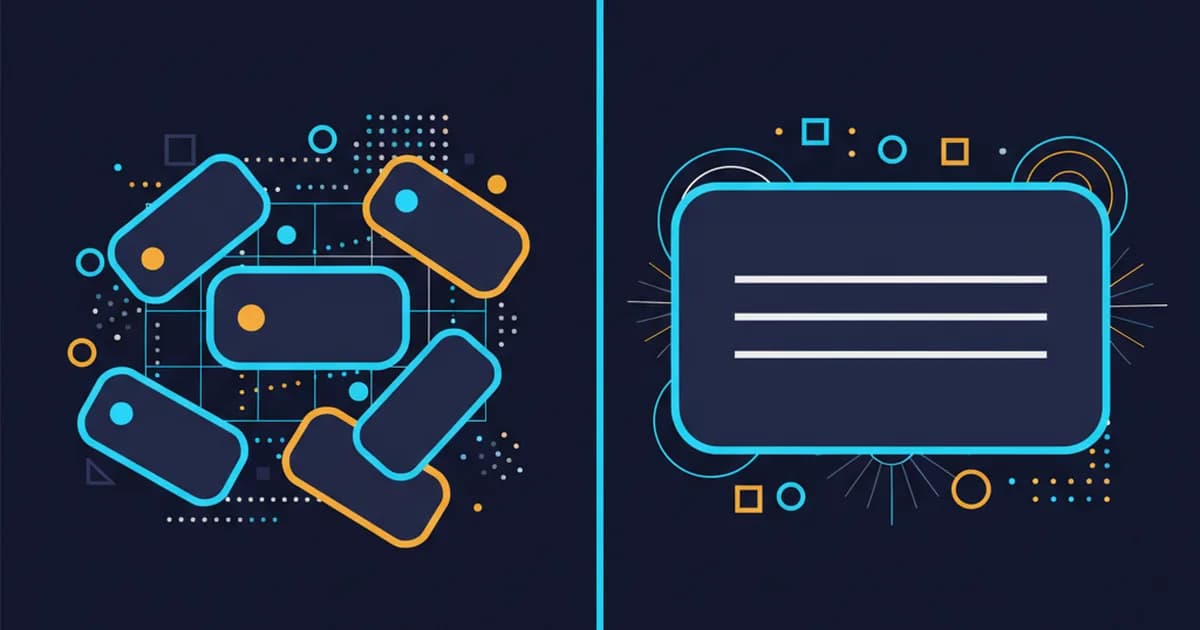
Multichannel: You exist on multiple channels. A customer messages Instagram. Two days later, they email. Your team treats them as two different problems. Two tickets. Two people writing back. Customer has to repeat themselves.
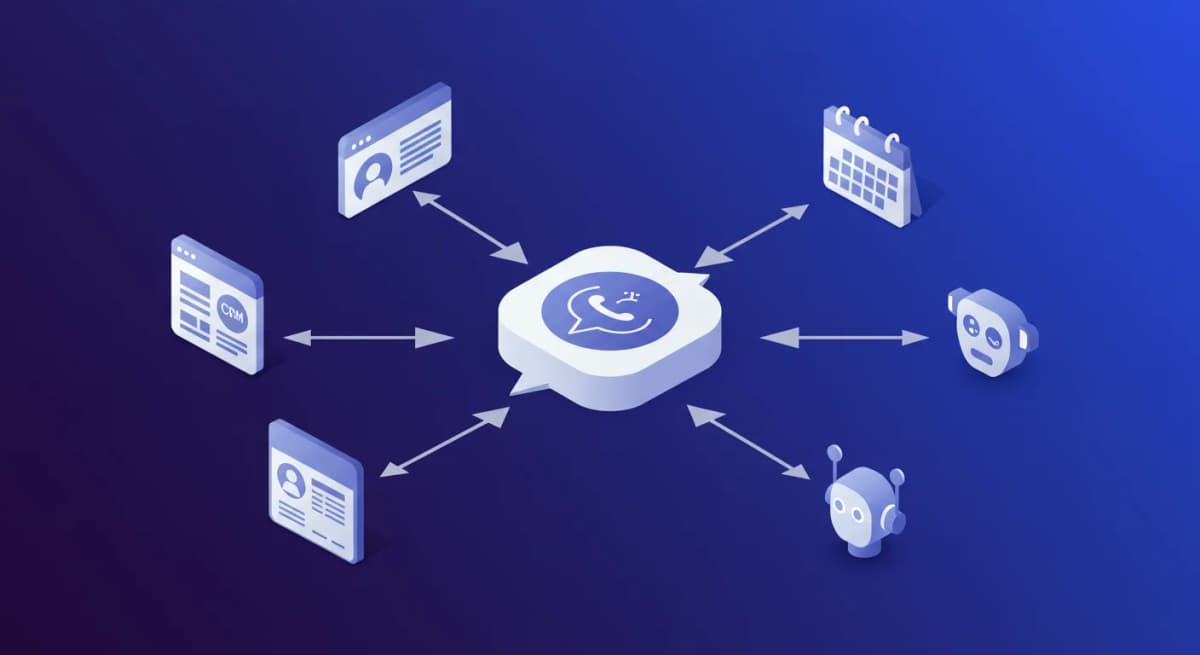
Omnichannel: Every channel feeds into one customer profile. The same customer messaging on Instagram, then WhatsApp, then email shows up as one thread with full history. Your team sees everything. The customer never repeats themselves.
Both have multiple channels. Only omnichannel makes them work as one system.
Why It Matters: The Retention Math#
Retention is where omnichannel pays back, but the size of the effect depends on your business. Work it out with your own numbers: customers x retention rate x monthly revenue per customer. Then ask what a few points of retention are worth, and what dropped handoffs between channels cost you today. We do not quote a benchmark retention gap here because no single published figure fits every business.
The Channels That Matter in 2026#
Channel choice is customer-driven, not vendor-driven. The channels worth supporting:
- WhatsApp Business API. Useful for teams that need shared access, automation, templates, webhooks, or CRM workflows. Eligibility and onboarding depend on Meta and the account setup.
- Instagram DM. High-intent for ecommerce, services, and creator-driven brands.
- Facebook Messenger. Older audiences, B2C, local services.
- Email. B2B sales, longer threads, account-level communication.
- SMS. Transactional, reminder, time-sensitive.
- Web chat. Pre-purchase questions on your website.
- Phone. Still relevant for high-ticket, complex, or older audiences.
You do not need all of these. You need the 2 or 3 your customers actually use. Then you connect them properly.
The 5 Pillars of Real Omnichannel Support#
Pillar 1: Unified Inbox#
Every channel flows into one screen. Your team replies from one inbox, not from each native app. This alone saves 2 hours per person per day.
Pillar 2: Single Customer Profile#
Every conversation ties to one customer ID. Their email, their WhatsApp number, their Instagram handle, all attached to the same record. Lead management handles this.
Pillar 3: Channel-Agnostic Handoff#
Conversation started on Instagram. Customer switches to WhatsApp. Your team sees the full history without asking. Team visibility makes this seamless.
Pillar 4: AI That Reads Across Channels#
The same AI that handles Instagram should handle WhatsApp. Same knowledge base, same brand voice, same compliance rules. Channel-specific AIs create inconsistent experiences.
Pillar 5: Unified Reporting#
Response time across all channels. Conversion by channel. Team workload across channels. One dashboard, not five. Conversation analytics answers this.
How to Build Omnichannel in 90 Days#
Days 1-30: Audit and Choose Channels#
List every channel customers currently use to reach you. Survey actual usage (not what you assume). Pick the top 3. Drop the rest into "monitor only" mode.
Days 31-60: Centralize the Inbox#
Connect every chosen channel to one unified inbox. Train the team on the new workflow. Run both old apps and new inbox in parallel for two weeks.
Days 61-90: Layer in Automation#
Turn on AI auto-reply for the highest-volume question categories. Set up routing rules. Define escalation paths. Measure response times and adjust.
By day 90, you have moved from chaotic multichannel to functional omnichannel. From there, you optimize.
The Tools That Make This Real#
Omnichannel is impossible without the right tooling. The category to look for is "AI inbox" or "omnichannel messaging platform". Key requirements:
- Official WhatsApp Business API connection (not a browser plugin).
- Official Instagram and Messenger via Meta's Messenger Platform.
- Single contact record across channels.
- AI that adapts to your business knowledge.
- Team assignment, locking, and visibility.
- CRM sync (HubSpot, Pipedrive, etc.).
- Analytics across all channels.
This is what Instant Reply is built for, top to bottom.
Common Mistakes That Kill Omnichannel#
- Connecting channels but keeping siloed teams. If your "Instagram person" is different from your "WhatsApp person", you are still multichannel.
- No single contact record. Same customer, three profiles, no shared history. Defeats the point.
- Skipping AI. At any real volume, manual replies kill response time. AI is not optional for omnichannel at scale.
- Adding channels you cannot support. Better to do 2 channels well than 5 channels badly.
- Forgetting reporting. If you cannot measure response time across channels in one view, you are not really omnichannel.
Real-World Example: A Local Services Business#
A hair salon doing $30,000 in monthly revenue, 40 bookings per day, customers messaging on Instagram and WhatsApp.
Before omnichannel: The front desk juggles two apps. Replies on Instagram wait while someone answers WhatsApp, and some inquiries never get an answer.
After omnichannel: One inbox for both channels, with AI drafting replies to routine questions and the team handling bookings and exceptions. Fewer inquiries slip through because every conversation has an owner and a status.
Measure the change with your own numbers: average first-reply time, inquiries left unanswered, and bookings from DMs, before and after the switch.
The Compliance Layer (and Why It Matters)#
WhatsApp has the 24-hour window. Instagram has the Messenger Platform rules. Each channel has compliance requirements. Multichannel = you track this manually. Omnichannel = your platform handles it automatically.
Specifically: opt-in tracking, message template approval, off-window restrictions, GDPR consent. Compliance failures cost you suspended accounts, not just fines. Pick tools that enforce this for you.
The same logic applies if the "system" holding your omnichannel workflow together is a shared inbox plus a spreadsheet for status tracking -- see Instant Reply vs a shared inbox plus spreadsheets for where that breaks down.
Get Started#
Omnichannel is the standard in 2026. Customers expect it. Competitors are doing it. The only thing slowing you down is the legacy of using each channel separately.
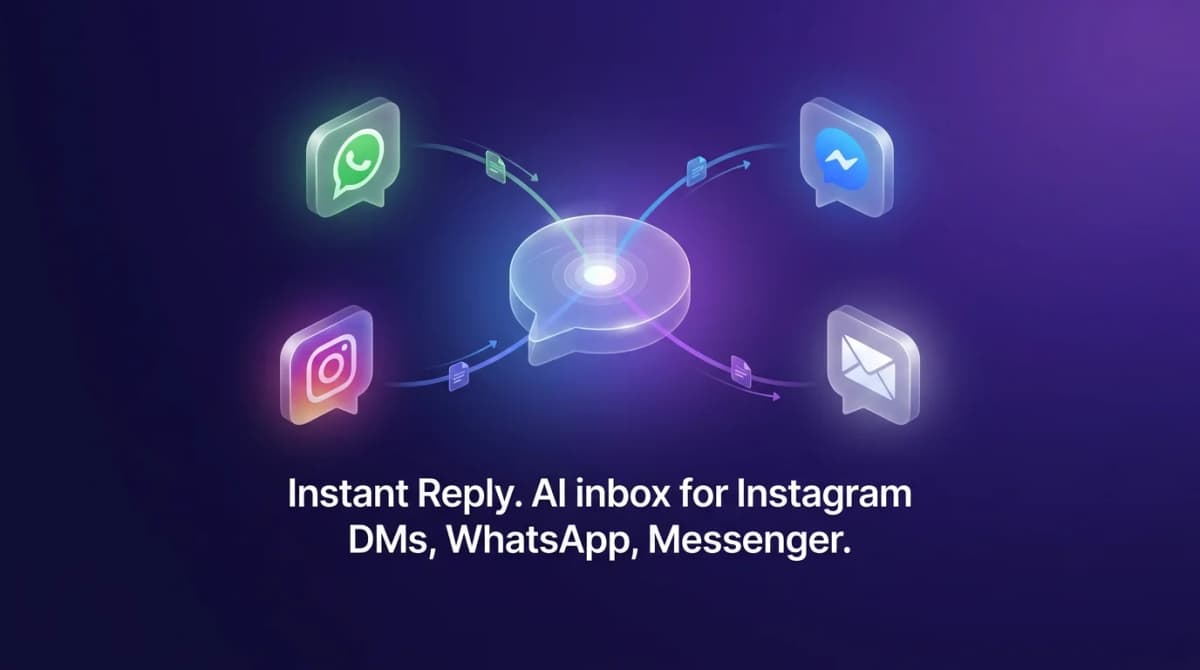
Instant Reply connects Instagram, WhatsApp, and Messenger in one inbox with one customer profile, AI assistance, and shared analytics. Start your free trial and connect a channel through its supported onboarding flow, or see how it compares with running each app separately.