Conversational marketing is the shift from broadcasting messages at customers to having real conversations with them. Instead of an ad that links to a landing page that leads to a form, you start a dialogue - and close in the same thread.
This guide covers what conversational marketing is, why the data supports it, and exactly how to run it on the channels where your customers actually are.
What is conversational marketing?#
Conversational marketing is a buyer engagement strategy that uses real-time, two-way messaging - through live chat, AI, or messaging apps - to qualify leads, answer objections, and drive conversions inside a single conversation.
The core idea: replace passive, one-way touchpoints (email blasts, banner ads, static landing pages) with active, personalized dialogue that adapts to what each buyer says.
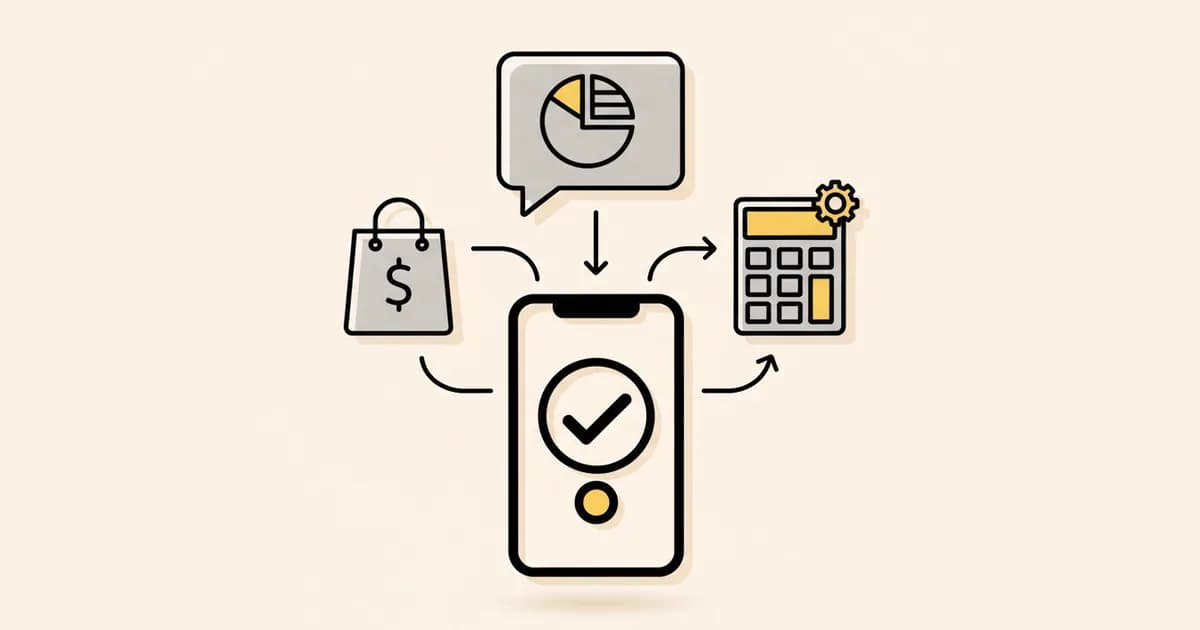
A typical conversational marketing flow looks like this:
- A customer comments on your Instagram post or taps a WhatsApp link in your bio
- An AI (or a live agent) opens a two-way conversation immediately
- The conversation qualifies the buyer, answers their specific question, and offers a next step
- The sale, booking, or lead capture happens inside the chat - no redirect to a form
Why conversational marketing outperforms broadcast#
Three shifts explain it:
- Messages get read quickly. Customers check WhatsApp, Instagram, and Messenger many times a day, so a message there is usually seen sooner than an email.
- Many customers prefer messaging. Plenty of people would rather message a business than call or email it.
- Speed matters. Leads contacted sooner are more likely to respond; measure how your own conversion changes with reply time.
Traditional marketing generates a lead and then hands it off to a slower process. Conversational marketing collapses that gap - the first touchpoint IS the conversion touchpoint.
Conversational marketing examples by channel#
WhatsApp conversational marketing#
A skincare brand runs a click-to-WhatsApp ad. The customer taps the ad, lands in a WhatsApp thread, and the AI asks one question: "What is your main skin concern - dryness, acne, or anti-aging?" The answer triggers a personalized product recommendation with a checkout link. Track how long your own customers take from click to purchase to see where the flow slows down.
Instagram DM conversational marketing#
A fitness coach posts a reel. A comment-to-DM automation triggers when someone comments "info" - the coach's AI slides into their DMs, asks three qualification questions, and books a free discovery call without the coach lifting a finger.
Facebook Messenger AI#
A real estate agency runs a Messenger ad targeting people who visited their listings page. The Messenger bot asks: "Are you buying or renting? What neighborhood?" In two messages it has qualified the lead, captured contact info, and booked an agent callback - all inside Messenger.
Choosing the right conversational marketing platform#
| Platform | Best for | Reach | Key feature |
|---|---|---|---|
| WhatsApp Business | E-commerce, local services, MENA markets | Very large user base | Broadcast lists, catalog |
| Instagram DMs | D2C brands, coaches, creators | Strong with visual brands | Comment-to-DM automation, Stories replies |
| Facebook Messenger | B2C with Facebook ad spend | Tied to Facebook audiences | Click-to-Messenger ads, retargeting |
Most businesses benefit from running all three through a single AI inbox so conversations across channels land in one place and no lead falls through the cracks.
Conversational marketing strategy: the 4-step framework#
1. Choose your entry point#
Where does the conversation start? Options include: click-to-WhatsApp/Messenger ads, comment-to-DM automation on Instagram or Facebook, a "Chat with us" WhatsApp link in your email footer or bio, or a QR code on packaging or in-store.
2. Write a qualifying opener#
Your first message should ask one specific question that segments the buyer. "Are you looking for [X] or [Y]?" is better than "How can I help you today?" - it shows you know your audience and gets useful data immediately.
3. Handle the core intent#
Answer the question the buyer actually came to ask. If you are using an AI, train it on your product catalog, FAQ, pricing, and common objections. Review which categories the AI resolves well before you let it send without a human.
4. Drive to a clear next step#
Every conversation needs a close: a purchase link, a booking calendar, a free trial signup, or a handoff to a human for complex deals. Do not let conversations end with "let me know if you have any other questions." That is where deals die.
How AI powers conversational marketing at scale#
Running conversational marketing manually is only possible at low volume. Once you have more than 30-50 incoming messages per day, you need AI to handle the top of funnel while humans focus on high-value closes.
An AI inbox like Instant Reply connects to your WhatsApp Business API, Instagram, and Messenger accounts and:
- Reads customer messages (including voice notes and product photos)
- Drafts a personalized reply based on your business data
- Sends automatically for low-stakes messages, queues for human review on complex ones
- Books calendar appointments inside the chat
- Syncs every contact and lead score to HubSpot or Pipedrive
The result: your conversational marketing runs 24/7 in Arabic, English, Spanish, or any language your customers use - without adding headcount.
How to measure conversational marketing performance#
- Conversation-to-lead rate: % of opened conversations that produce a qualified lead
- Conversation-to-sale rate: % that convert to a paid transaction
- First response time: how fast the first reply goes out (target: under 60 seconds)
- Resolution rate: % of conversations resolved without a human escalation
- CSAT: post-conversation satisfaction score (send a simple 1-question WhatsApp survey)
3 conversational marketing mistakes to avoid#
- Starting with a wall of text. Open with one question. Long opening messages get ignored.
- No handoff path. AI handles routine questions, but some buyers need a human. Make the handoff seamless and fast.
- Treating it like a broadcast channel. If you send bulk promotional messages without a two-way flow, you are doing broadcast marketing on a conversational channel - and you will get blocked.
Ready to try conversational marketing on WhatsApp, Instagram, and Messenger? Instant Reply starts at $59/mo (Instagram and Messenger), and WhatsApp starts on the Growth plan at $129/mo ($107.50/mo billed yearly). Every workspace gets a 7-day Pro trial - no credit card required.
Related: Instagram DM automation guide · Facebook Messenger AI guide · WhatsApp broadcast message examples